CV Templates for 2026
Secure more interviews with Zety’s CV templates. Choose a professional CV template, fill it with ready-made content, and finish your CV in minutes.
Create Your CV Now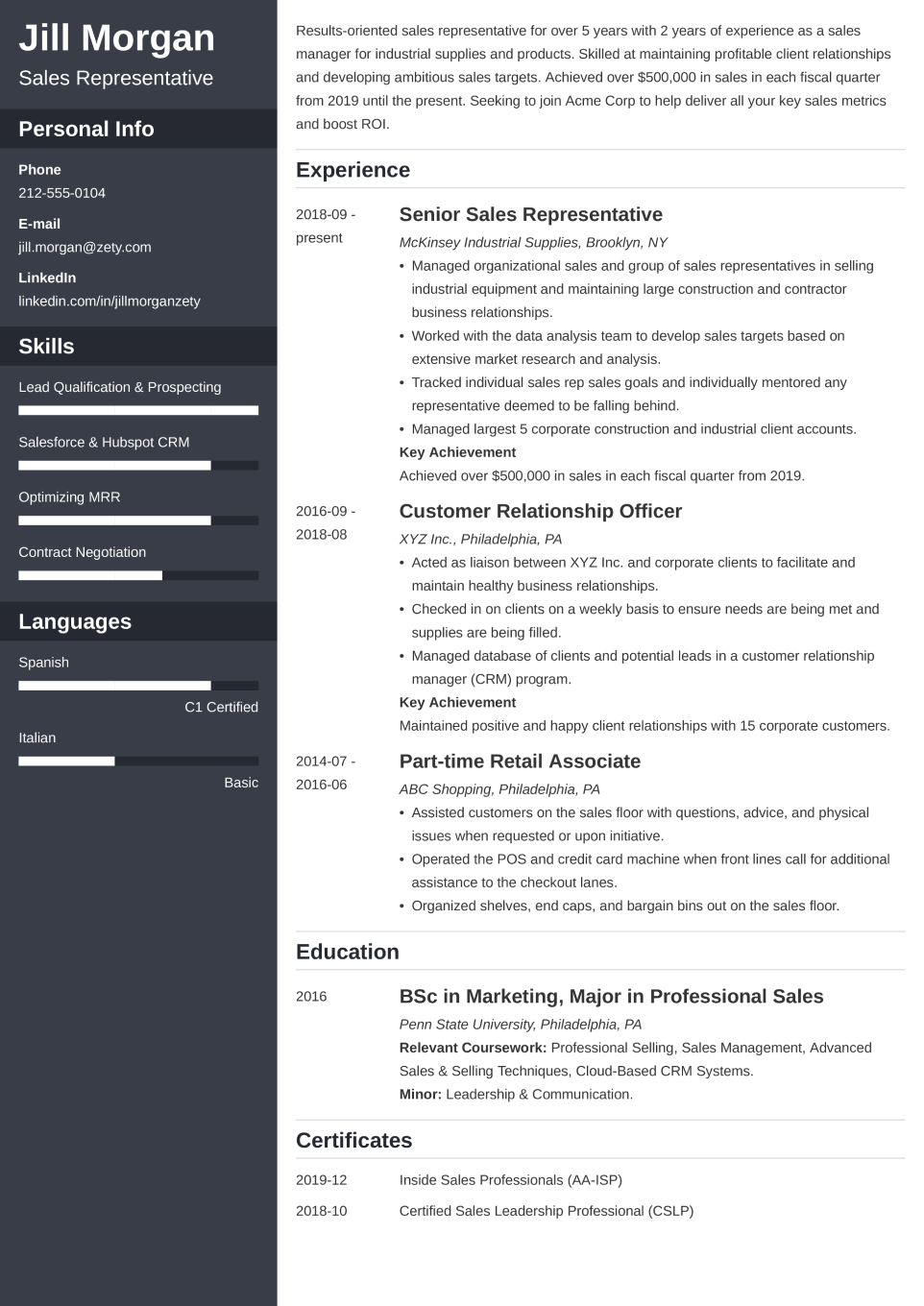
Cascade
Professional CV template with clean alignment that stays polished at any length
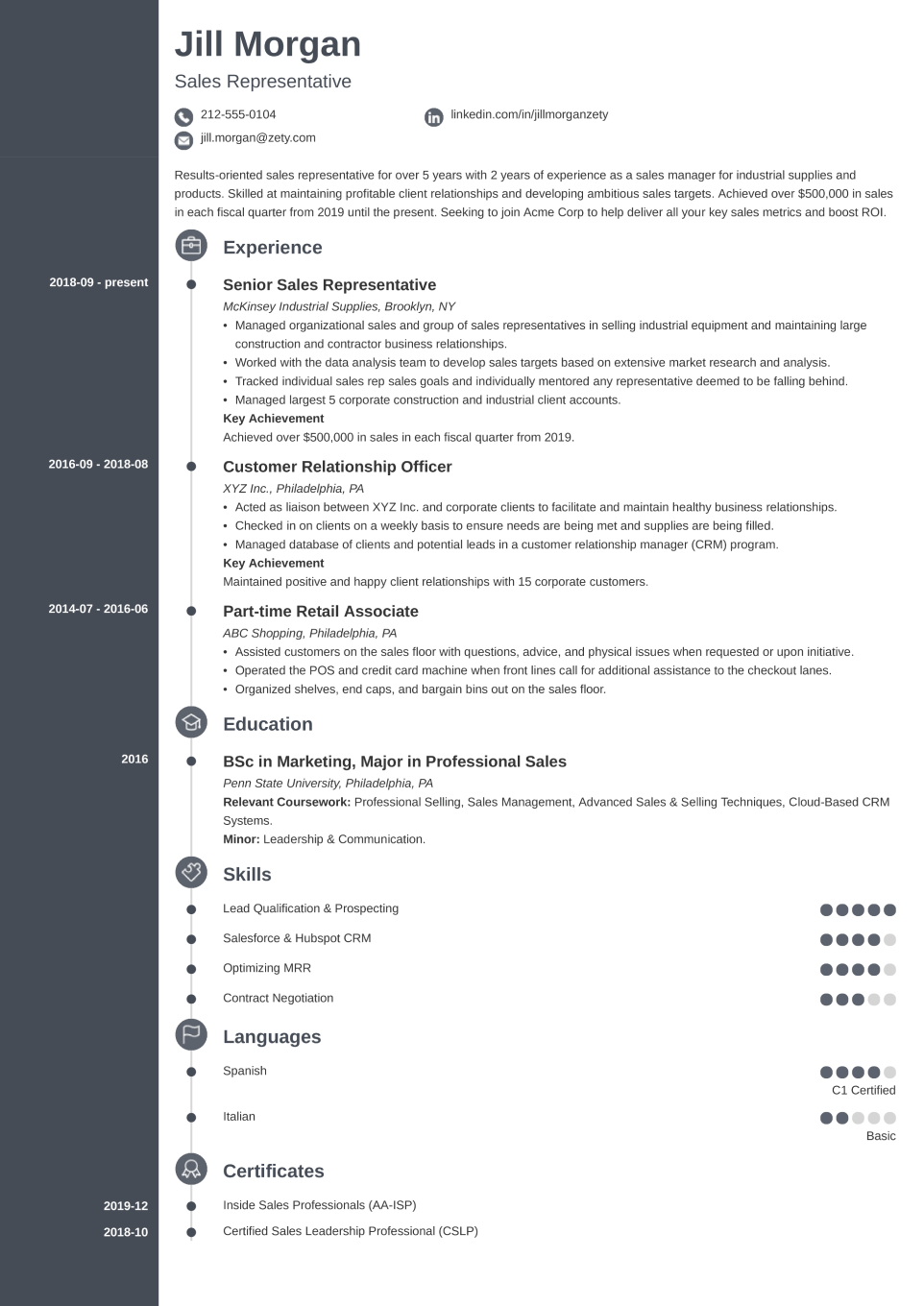
Concept
Modern template featuring icons and a timeline to tell your career story clearly
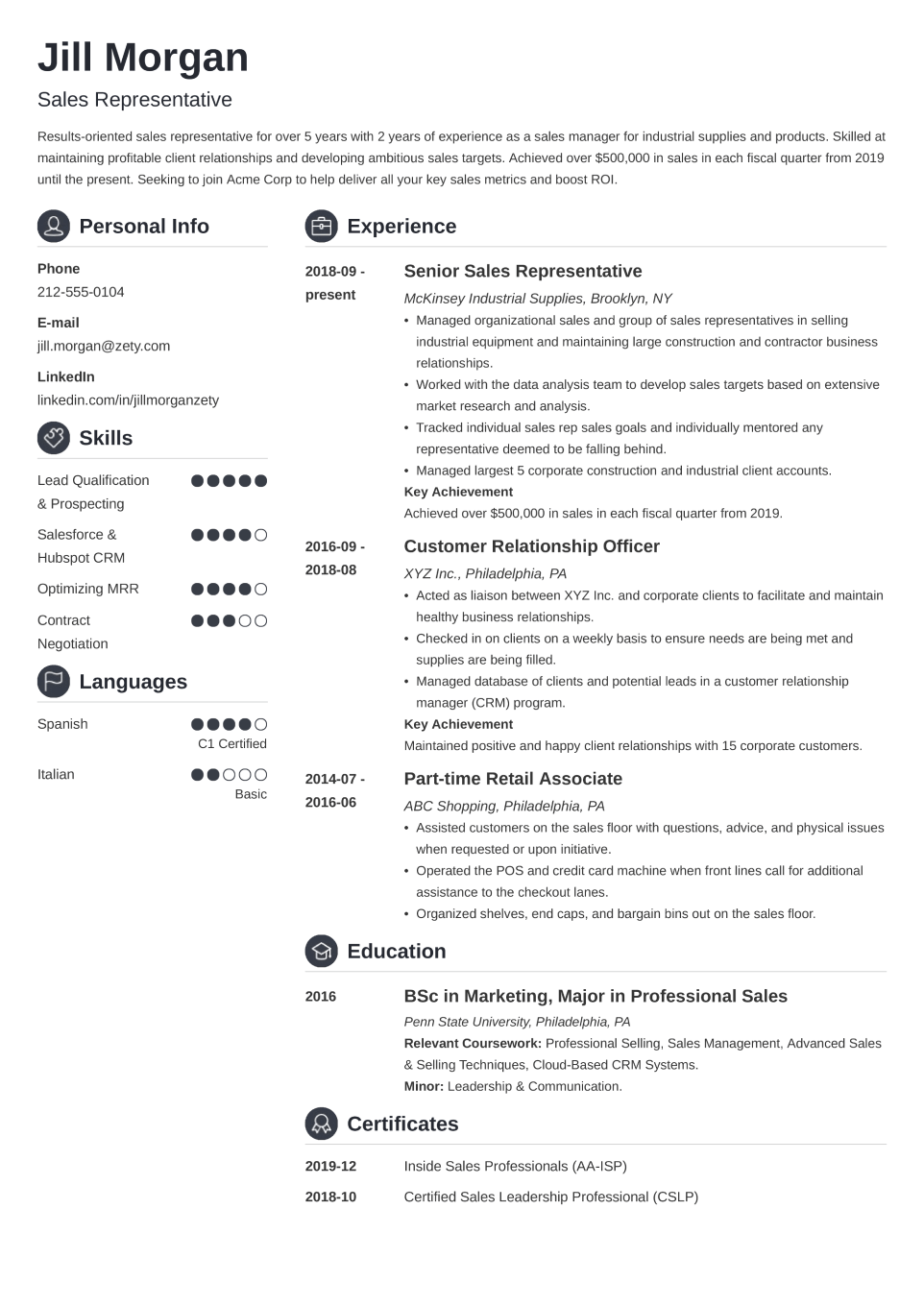
Crisp
Clean, structured CV template that keeps your content sharp and easy to scan
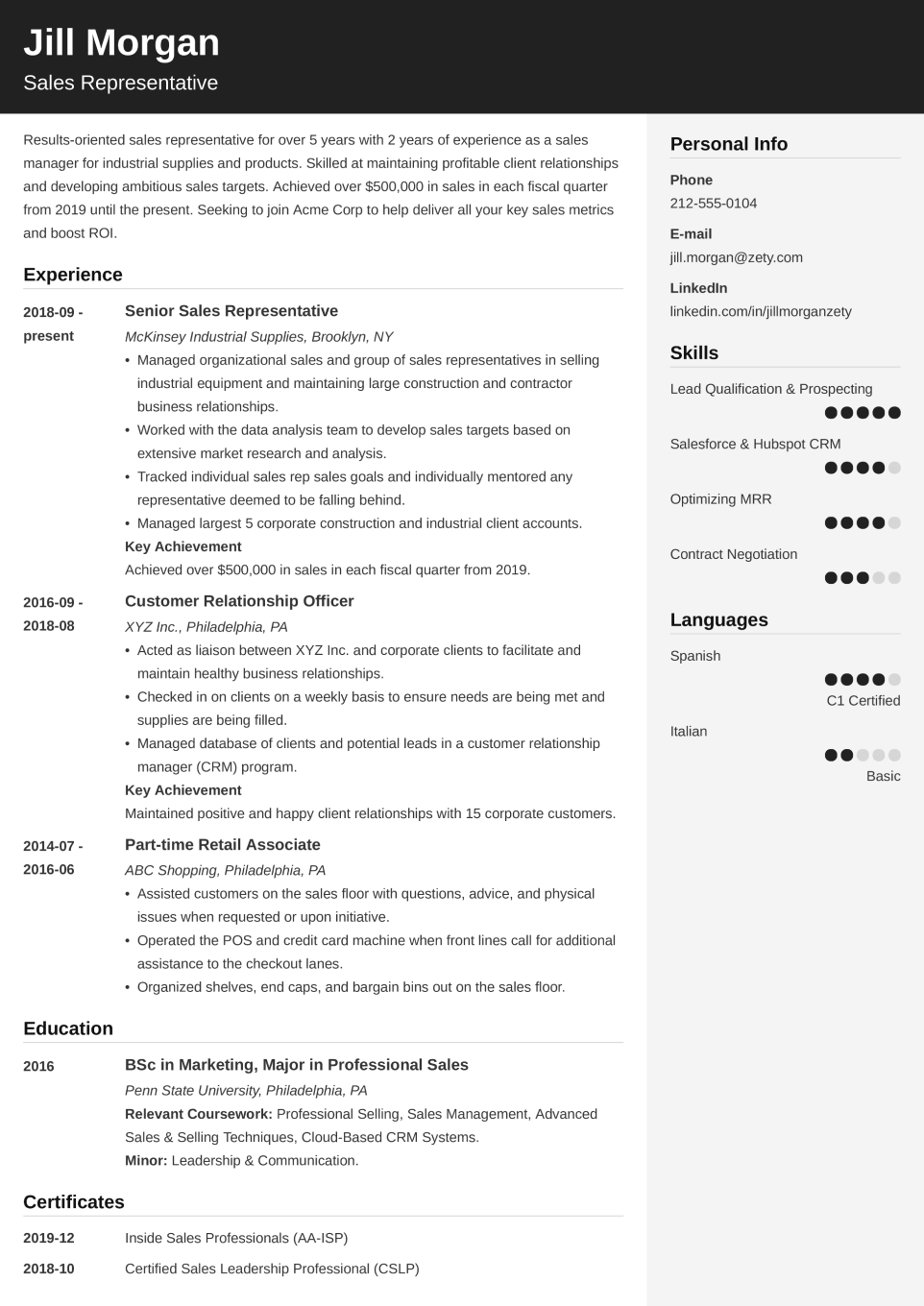
Cubic
Highly readable template, ideal for content-dense CVs
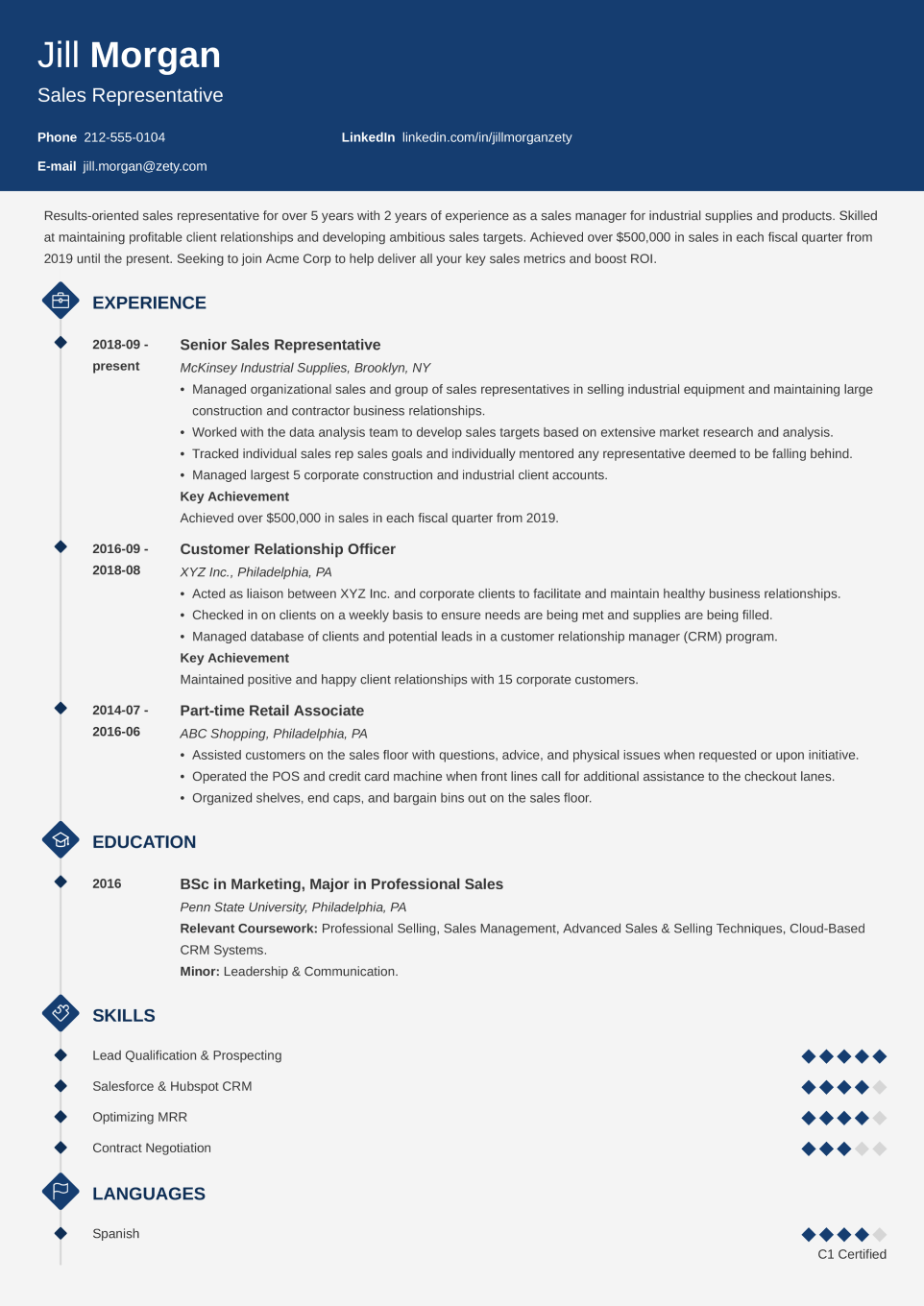
Diamond
Single-column CV template designed to spotlight your experience and credentials
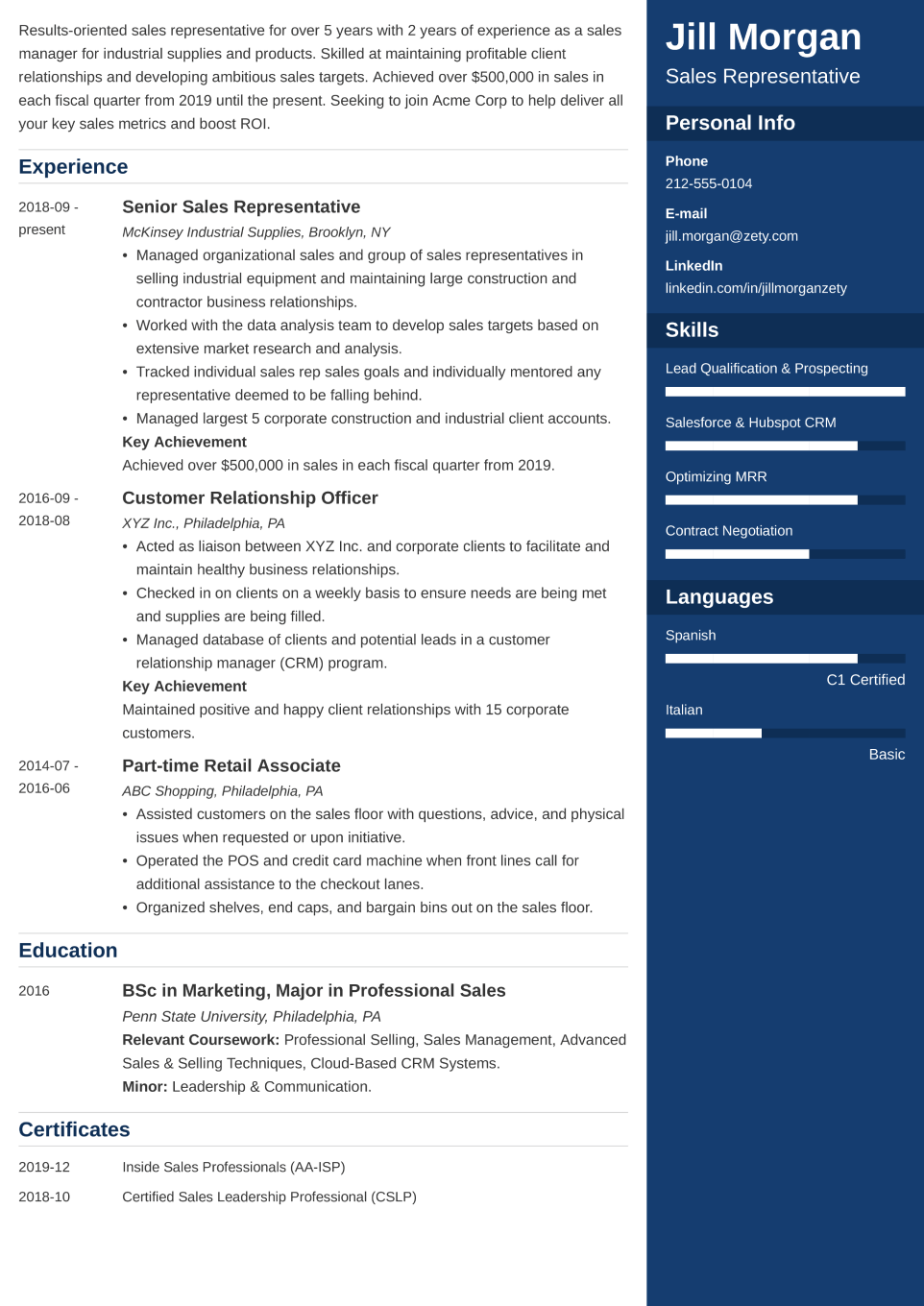
Enfold
Two-column curriculum vitae template that highlights your experience and key skills
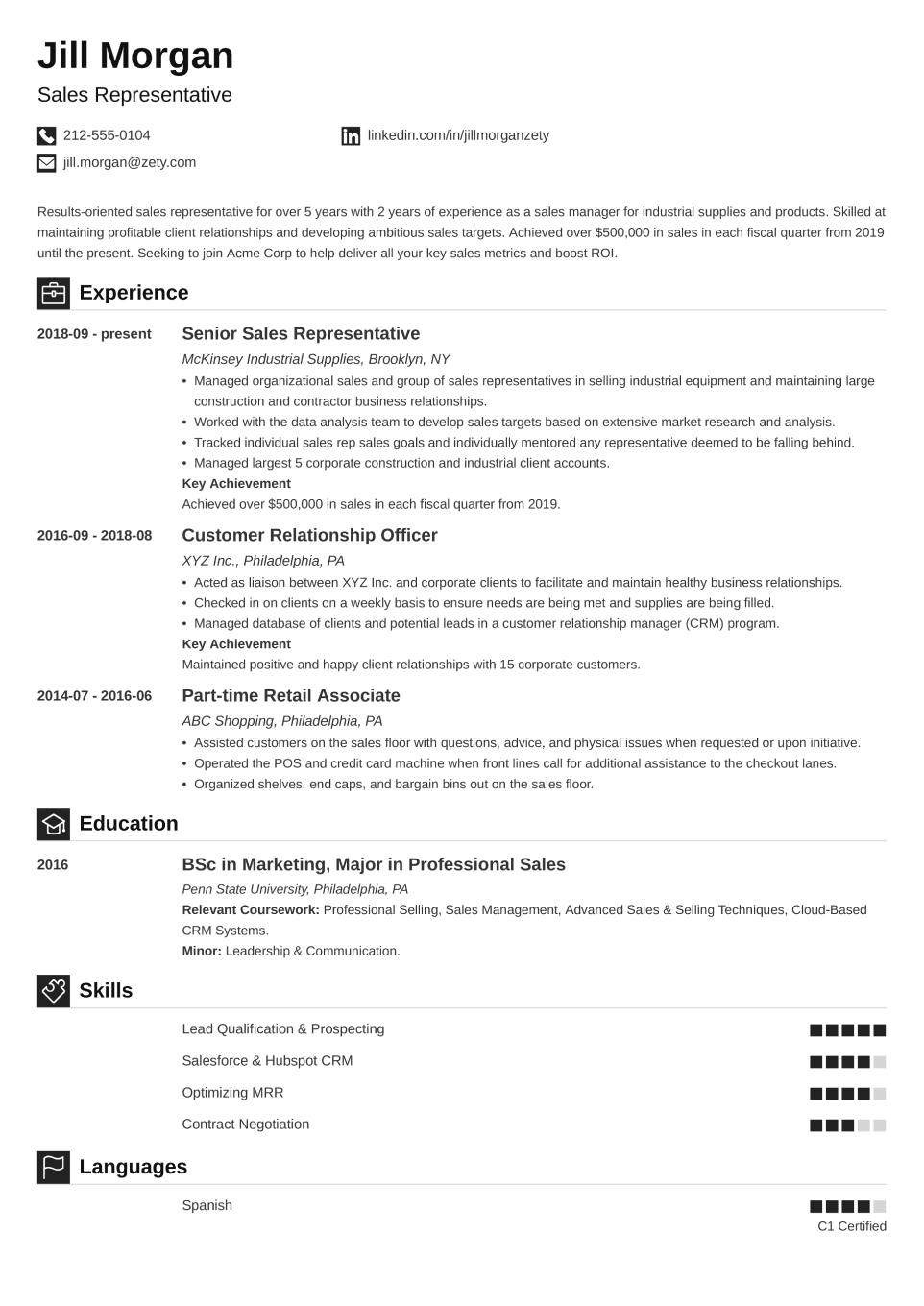
Iconic
Icon-based CV template that uses design elements to make details stand out
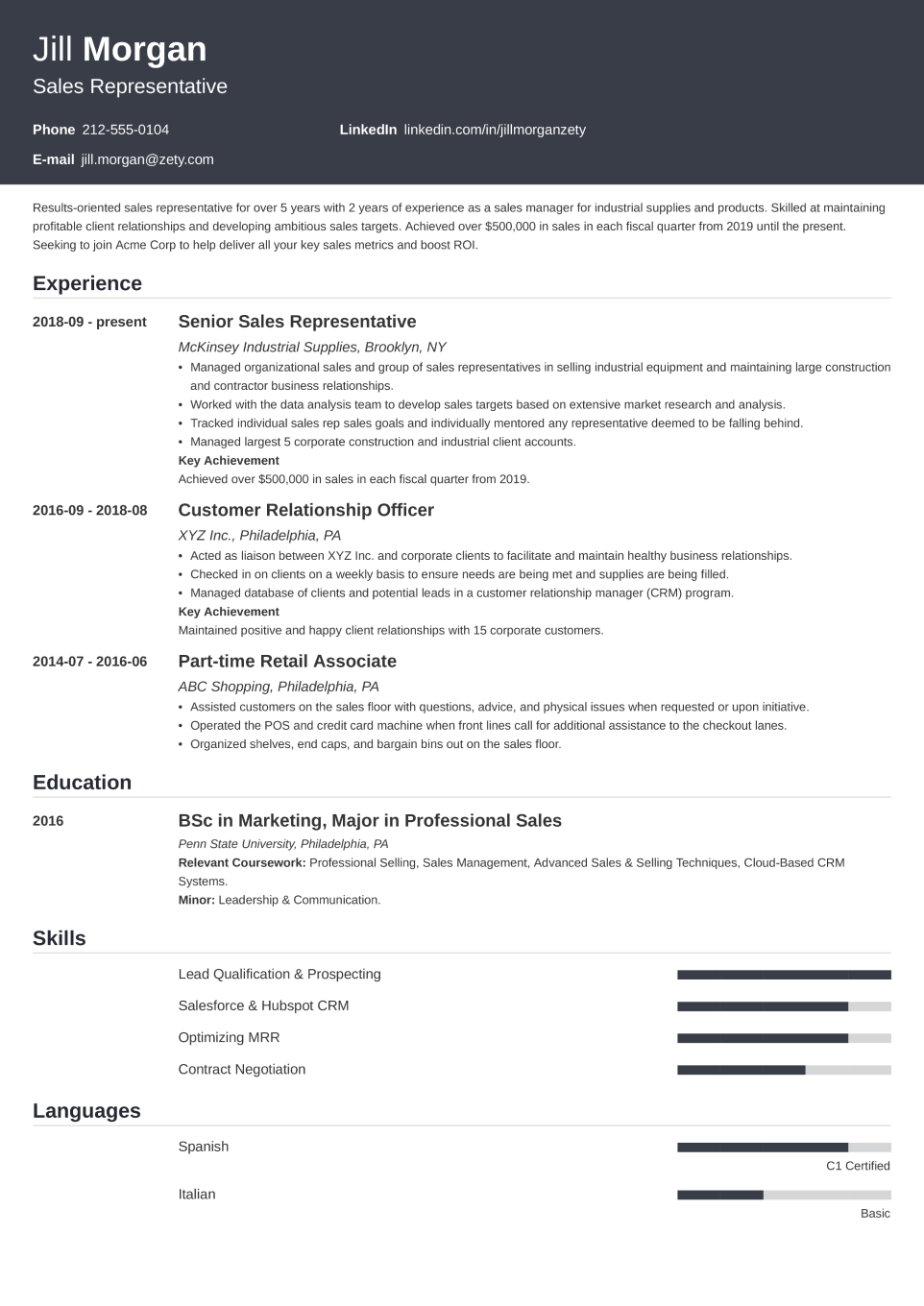
Influx
Elegant CV template that delivers a classic look without feeling outdated
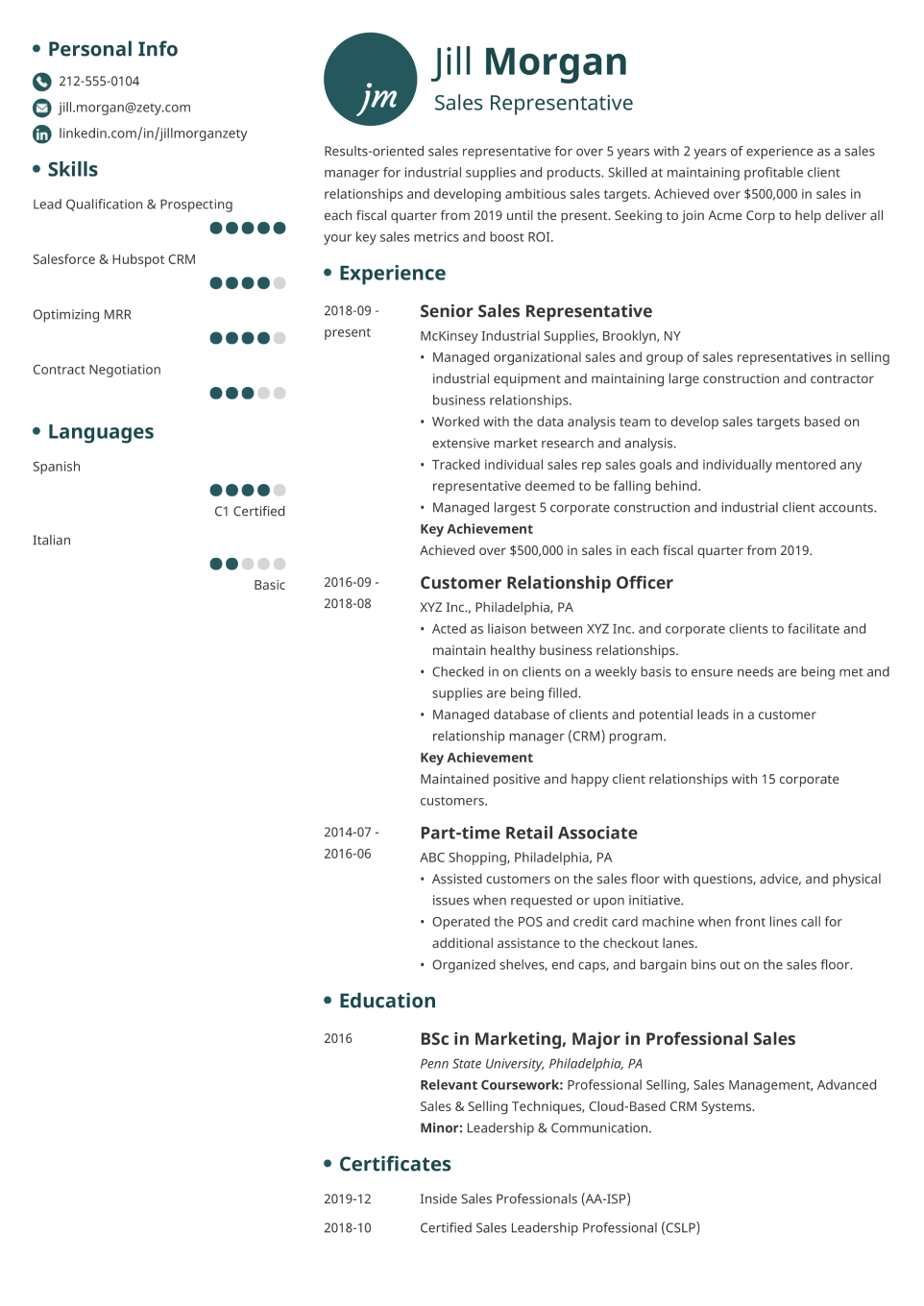
Initials
Creative template that highlights details while maintaining a balanced layout
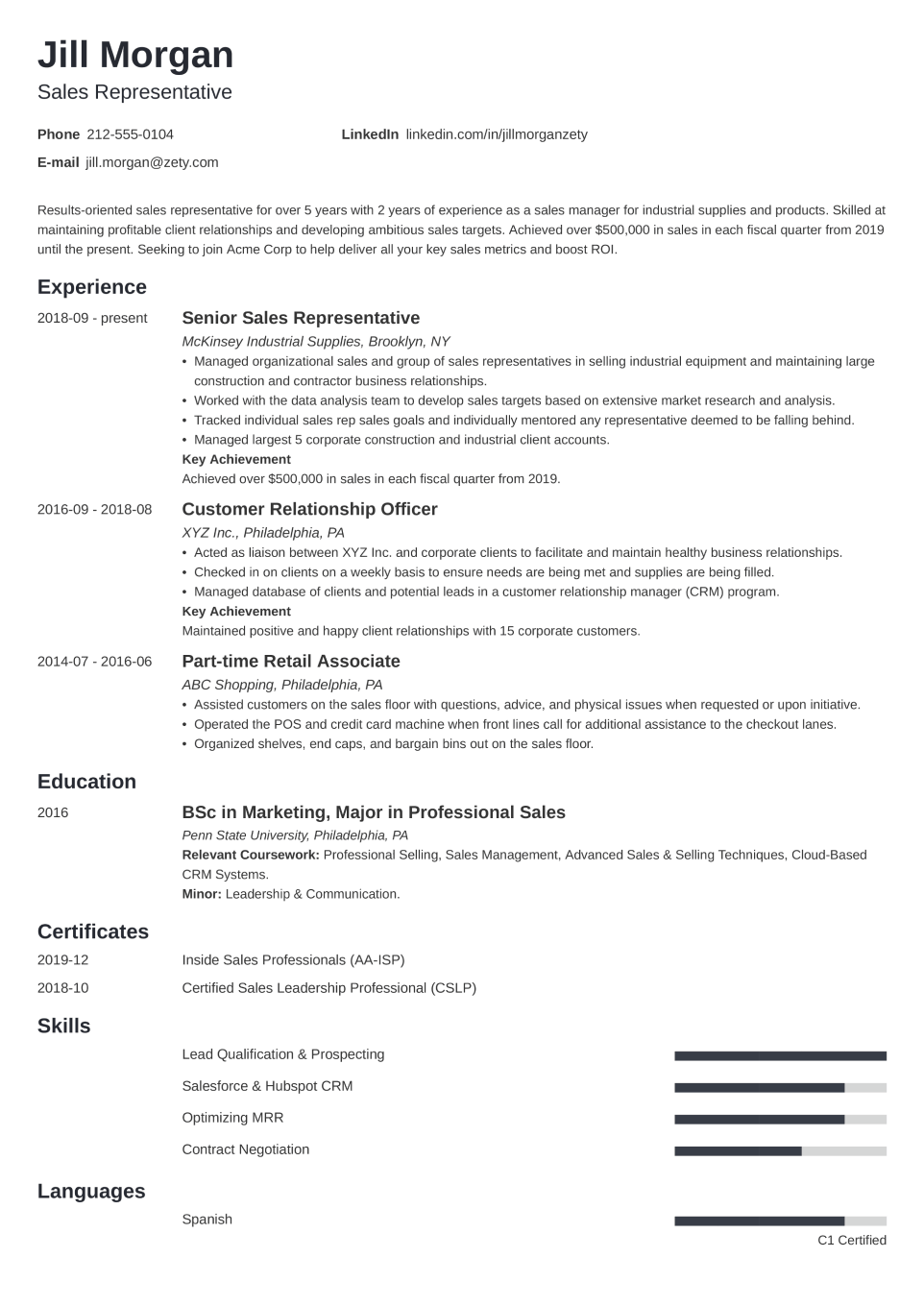
Minimo
Minimalist CV template with a timeless structure and a modern edge
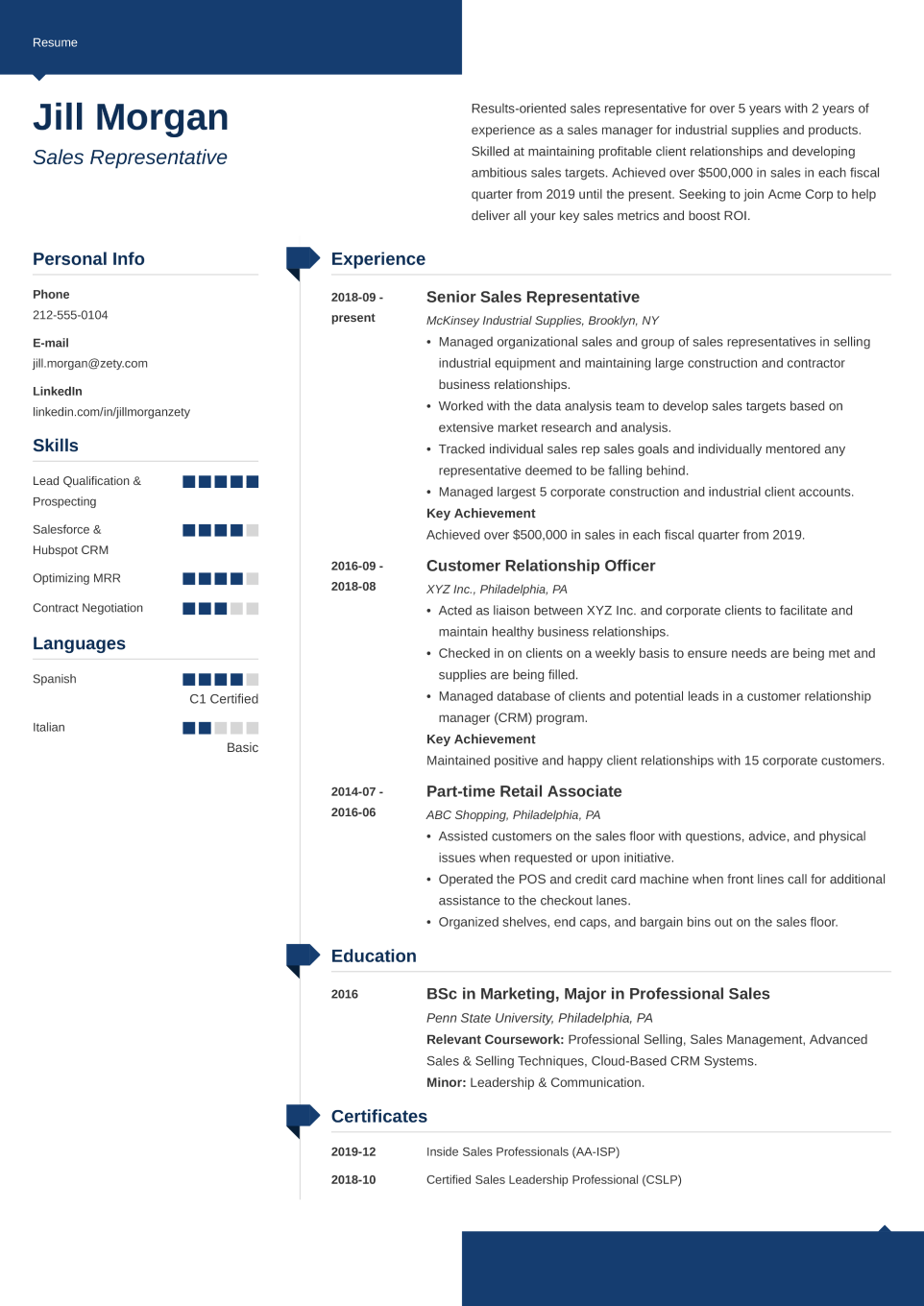
Modern
Template that creates a visual structure without heavy blocks or clutter
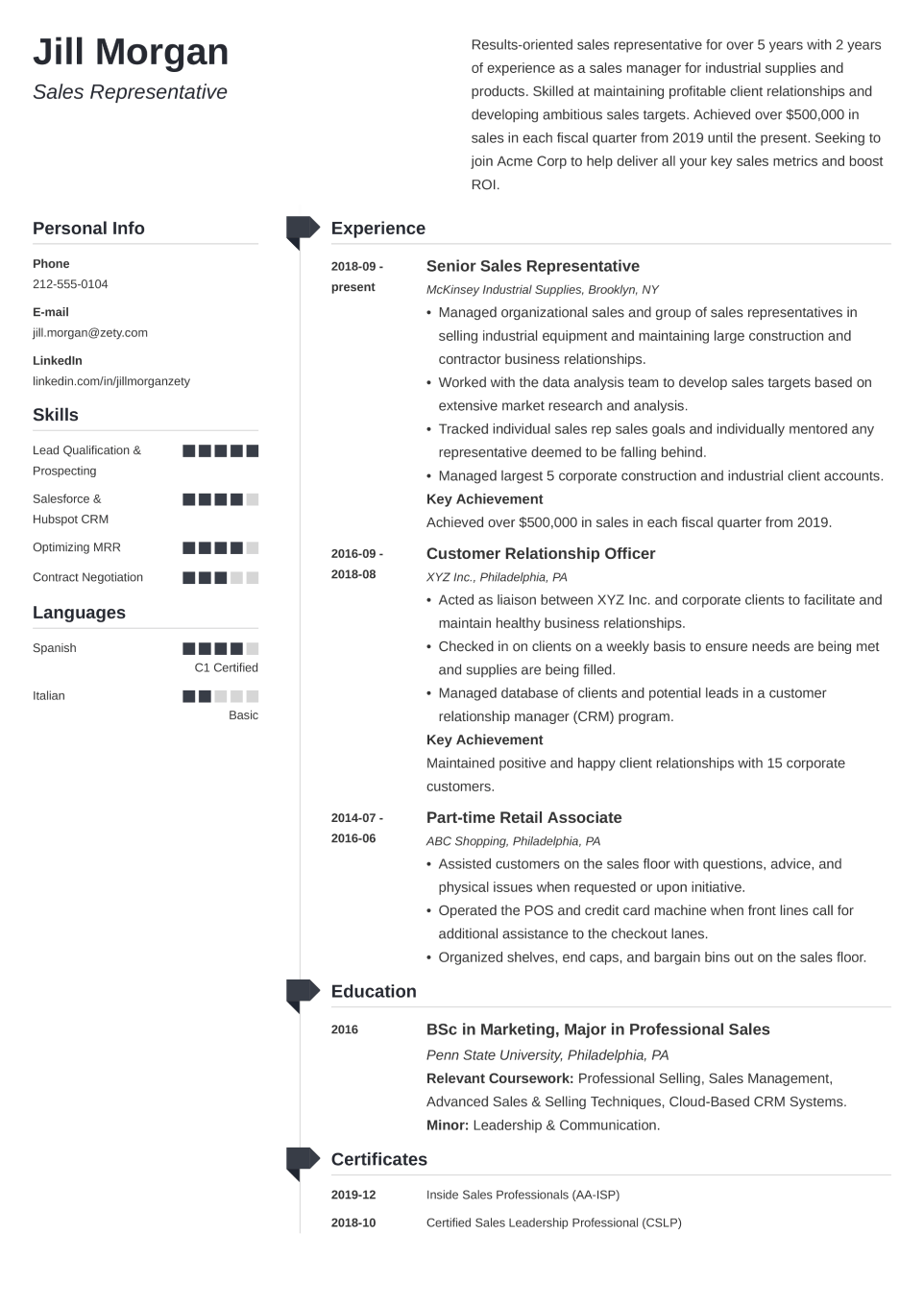
Muse
Visual template that stays light and airy while showcasing skills and extras
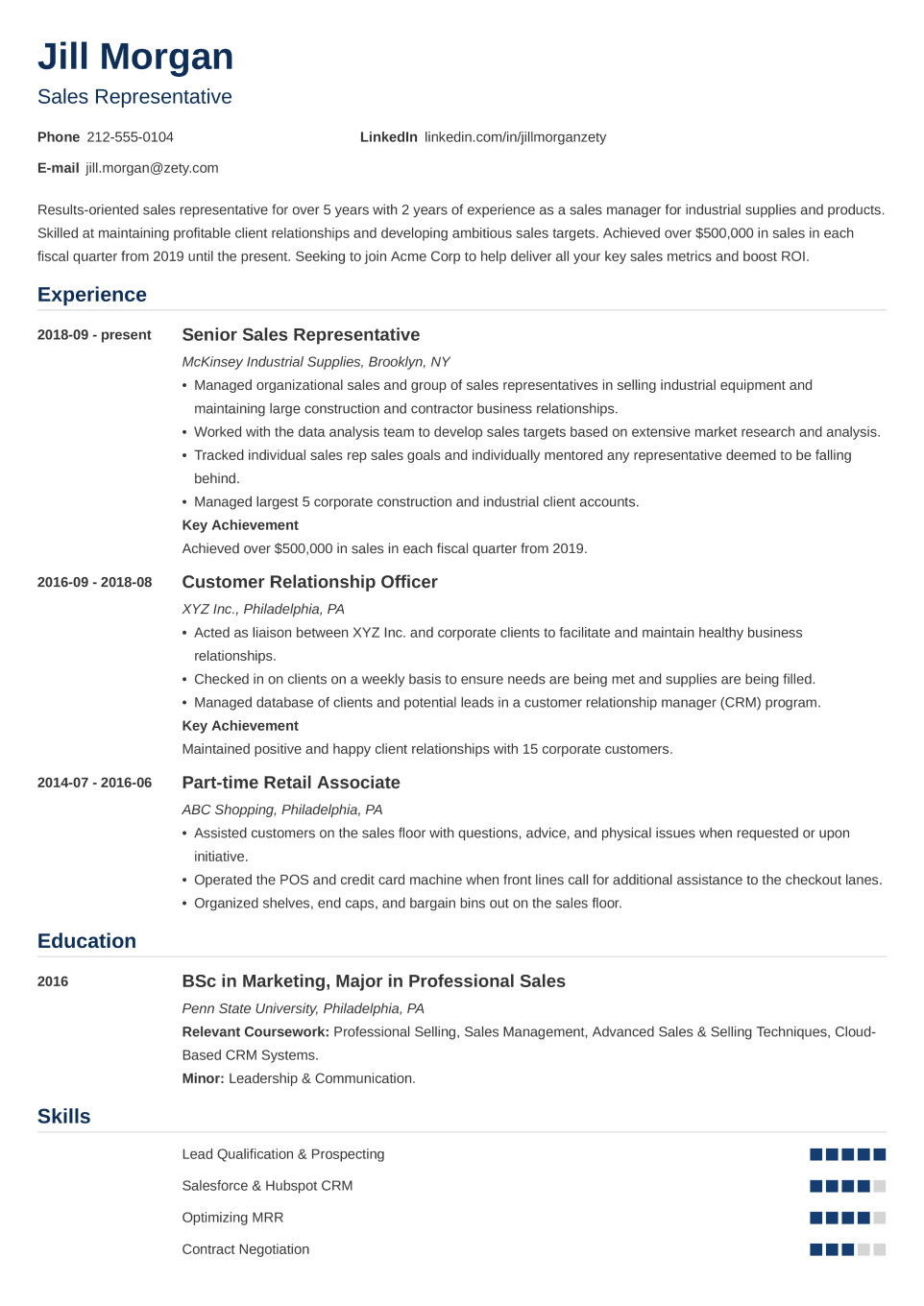
Nanica
Traditional template refreshed with visuals and a streamlined single-column flow
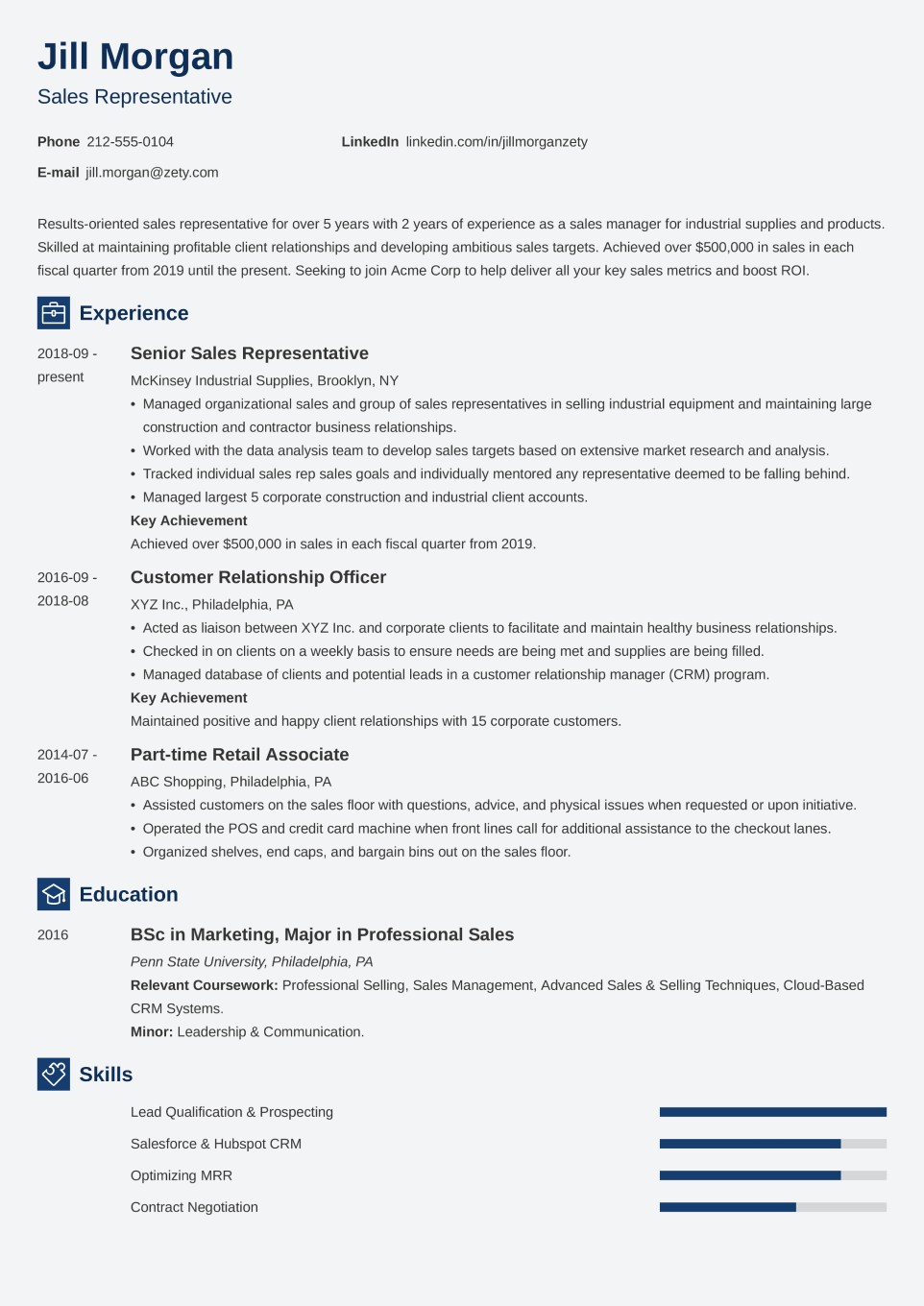
Newcast
Straightforward CV template that prioritizes content while subtly highlighting skills
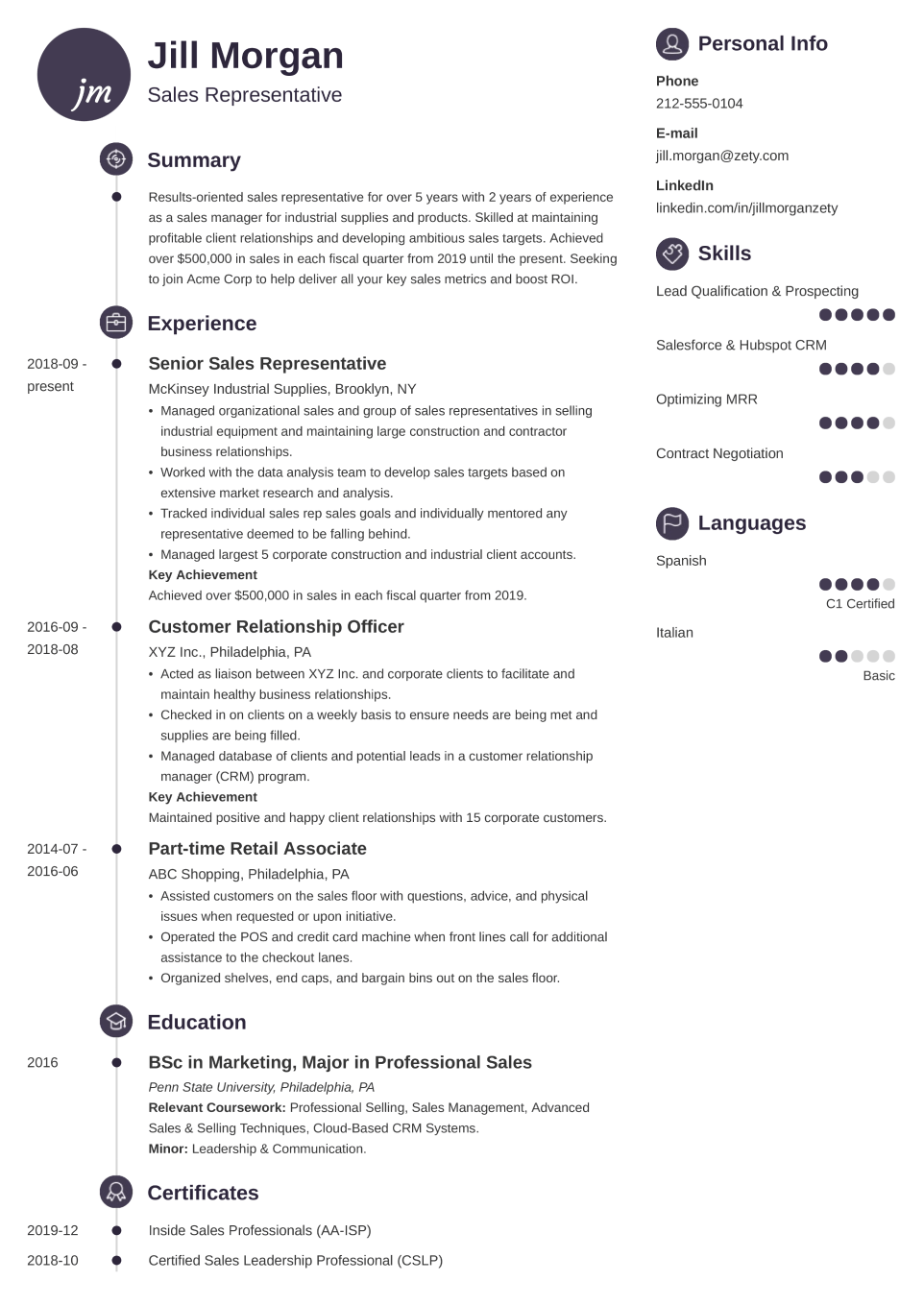
Primo
Infographic template with timelines, icons, and a color choice that breaks the mold
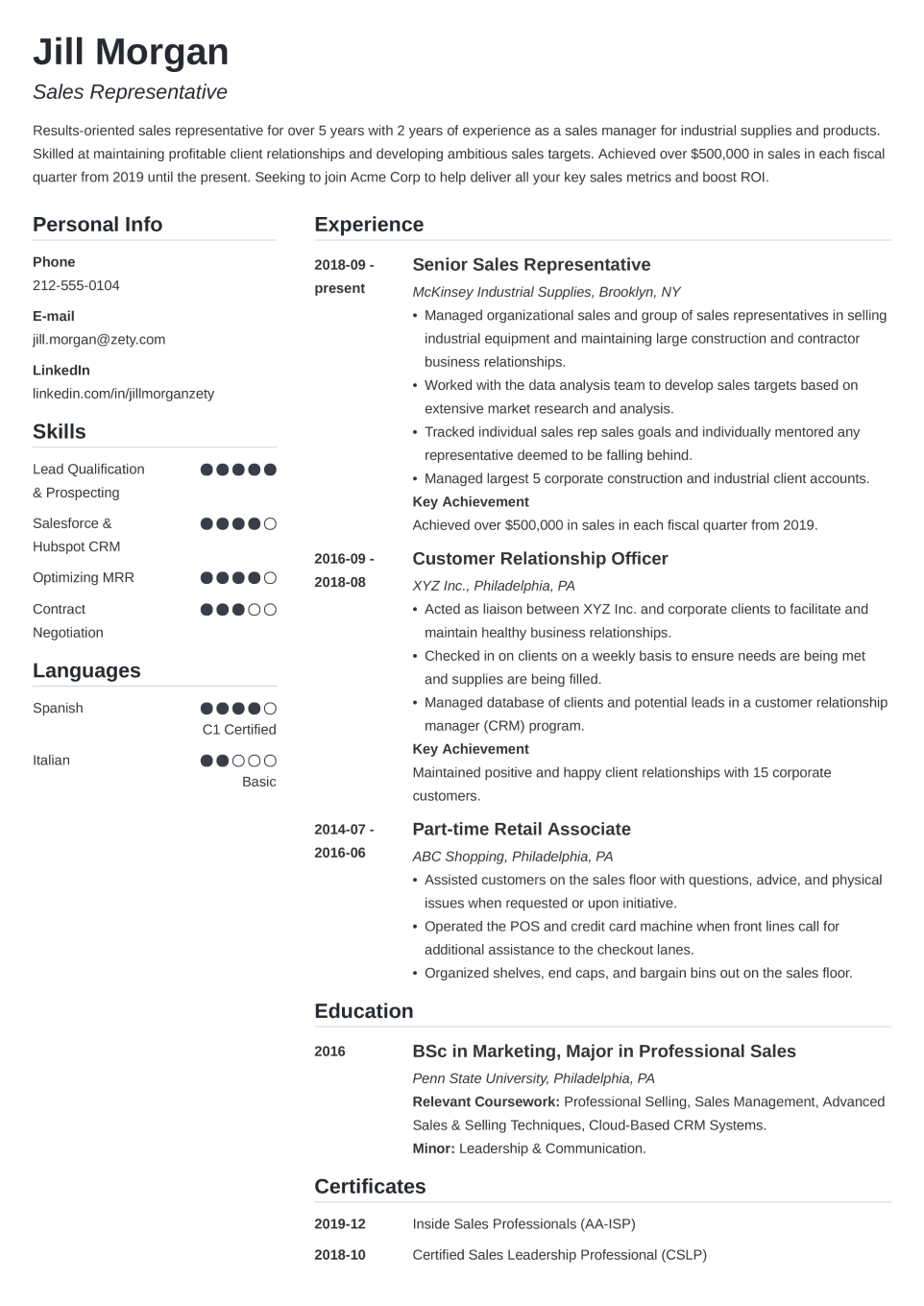
Simple
Clean CV template enhanced with subtle color for a fresh feel
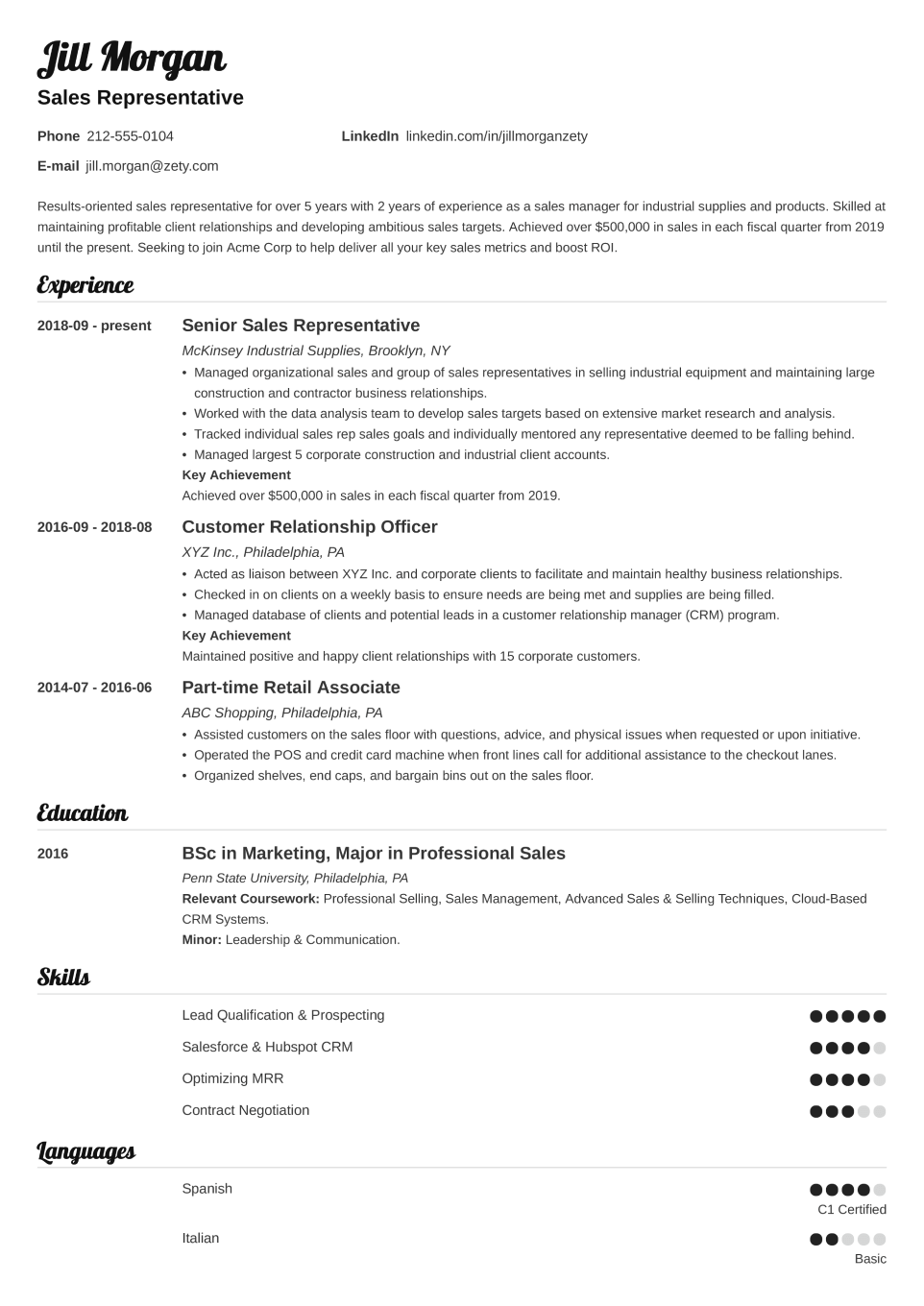
Valera
A distinctive template that guides the reader’s eye through bold typography
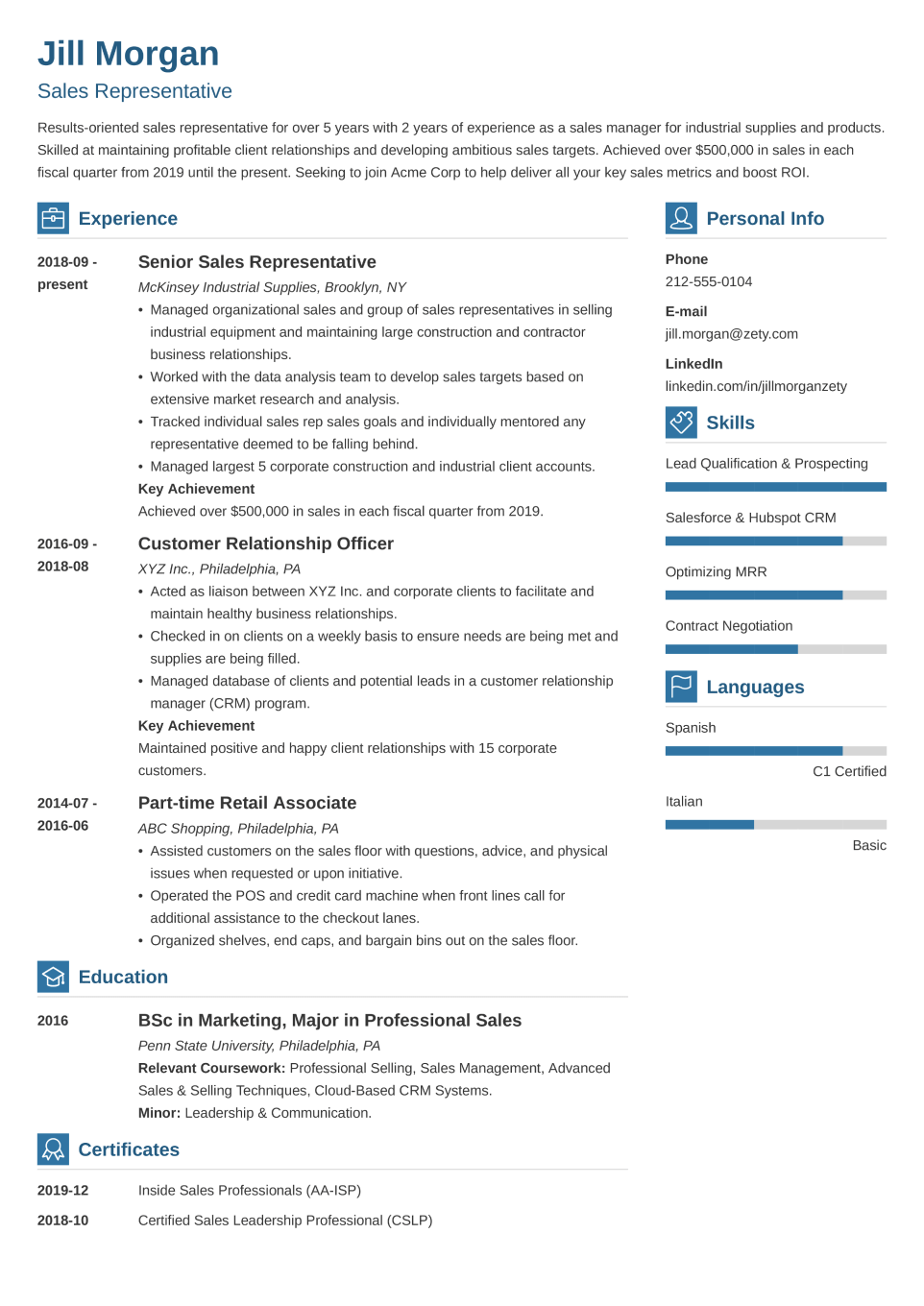
Vibes
Sleek template that presents your credentials in a tidy layout with simple icons
Free CV Template: Copy, Paste, & Customize
Use this free CV template to create a professional CV quickly and easily. Copy and paste the content, then customize it with your academic background, skills, and professional experience.
Want more CV templates with professionally written content?
You can use our CV Maker to create a CV and download it in plain text (TXT) format. Upload an existing CV to update the content or start fresh with step-by-step guidance.
By choosing one of our paid plans, you unlock even more:
- Improve your existing CV to boost your chances with hiring managers.
- Customize the design to create a polished look.
- Download your CV in PDF or Word format, ready to share.
- Find relevant jobs and automatically tailor your CV to each opportunity.
- Create a matching cover letter in minutes using ready-made content.
[Your Full Name]
[Email Address] | [Phone Number] | [LinkedIn URL] | [City, State/Country]
[Optional: Personal Website] | [Optional: Portfolio or other relevant link]
Professional Summary
[Professional adjective] [Your Job Title] with [X]+ years of experience in [industry/field]. [Key achievement or area of expertise], resulting in [specific result or percentage]. Skilled in [skill/area], [skill/area], and [skill/area]. Seeking to bring [key strength] to [Company Name] and contribute to [specific business goal or outcome].
Work Experience
[Your Most Recent Job Title]
[Company Name] | [City, State/Country]
[Month Year]–Present
- [Describe a relevant achievement or responsibility.]
- [Describe a relevant achievement or responsibility.]
- [Describe a relevant achievement or responsibility.]
[Previous Job Title]
[Previous Company Name] | [City, State/Country]
[Month Year]–[Month Year]
- [Describe a relevant achievement or responsibility.]
- [Describe a relevant achievement or responsibility.]
- [Describe a relevant achievement or responsibility.]
[Earlier Job Title]
[Previous Company Name] | [City, State/Country]
[Month Year]–[Month Year]
- [Describe a relevant achievement or responsibility.]
- [Describe a relevant achievement or responsibility.]
- [Describe a relevant achievement or responsibility.]
Education
[Degree or Qualification]
[University, College, or Institution Name] | [City, State/Country]
- [Graduation Year]
- [Optional: Relevant coursework, academic honors, GPA, extracurricular activities, or other relevant achievements.]
Skills
- [Skill #1]
- [Skill #2]
- [Skill #3]
- [Skill #4]
- [Skill #5]
Certifications
- [Certification Name] – [Issuing Organization], [Year]
- [Certification Name] – [Issuing Organization], [Year]
Additional Experience
[Volunteer Role, Professional Membership, or Other Relevant Experience]
[Organization Name] | [Month Year]–[Month Year or Present]
- [Describe a relevant contribution or achievement.]
- [Highlight a skill or experience that supports your career goals.]
Additional Information
- Languages: [Language] ([Proficiency Level]), [Language] ([Proficiency Level])
- Professional Memberships: [Organization Name]
- Awards: [Award Name], [Year]
- Interests: [Optional relevant interests or hobbies]
Get Inspired by Our CV Examples
Explore CV examples for different jobs, industries, and experience levels to see how to structure your CV and highlight the skills and achievements employers want.
See CV ExamplesWhy Choose Zety’s CV Templates
Zety’s CV templates make it easy to create a professional, polished CV without starting from scratch. Choose a design that fits your career, customize the content to match your experience, and download your finished CV in your preferred format.
Templates for Any Situation
Zety offers CV templates for different career stages, industries, and job-search situations, so you can choose a format that fits your experience and goals. Whether you’re applying for your first job, changing careers, returning to work, or advancing in your field, you can customize a template to showcase your most relevant qualifications.
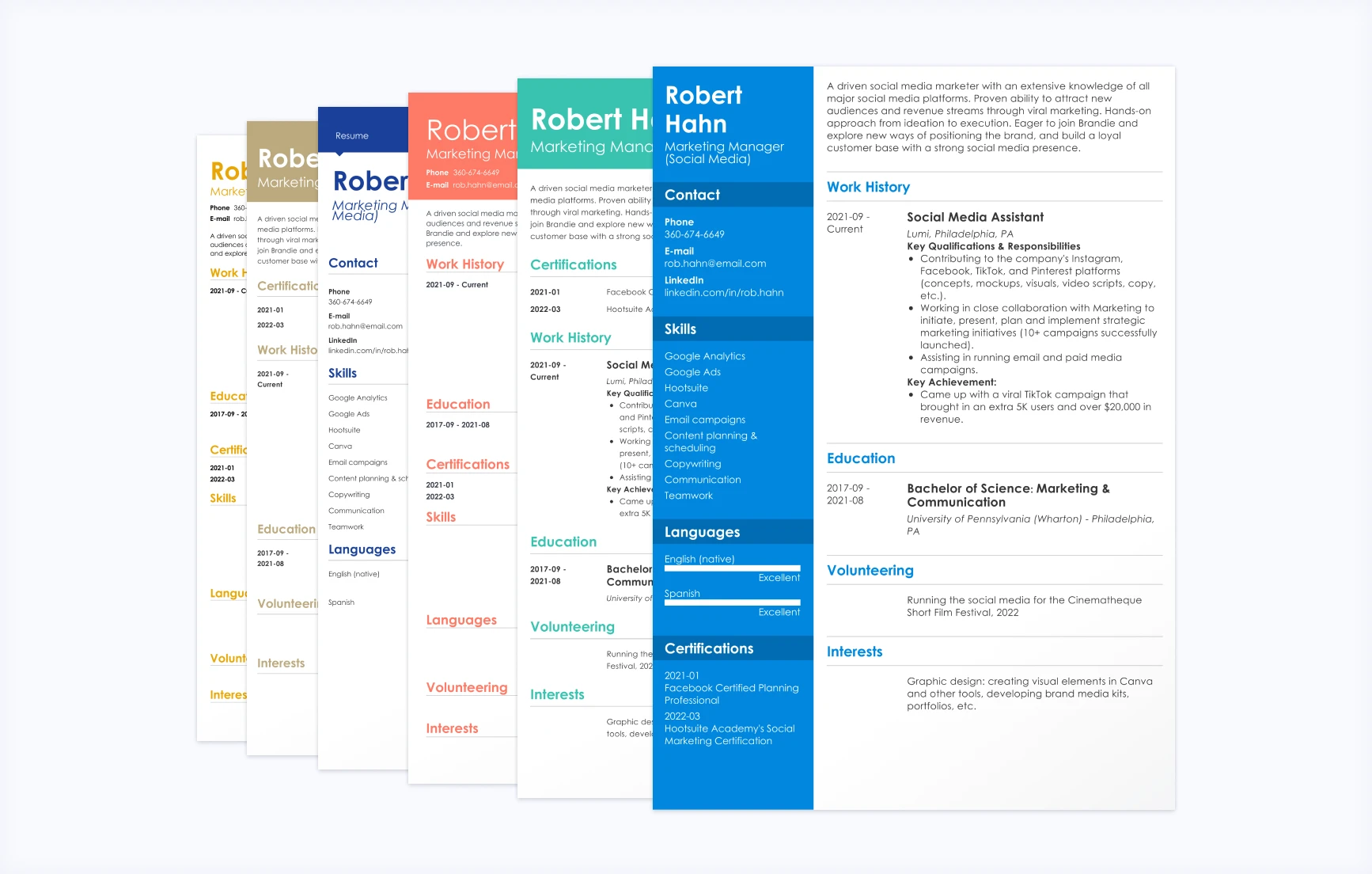
Advanced Customization
Customize your CV’s appearance to match your experience, industry, and target role. Adjust the layout, choose between one- and two-column designs, and add subtle icons to highlight key information. These options give you greater control over the final look while keeping your CV polished, professional, and easy to read.
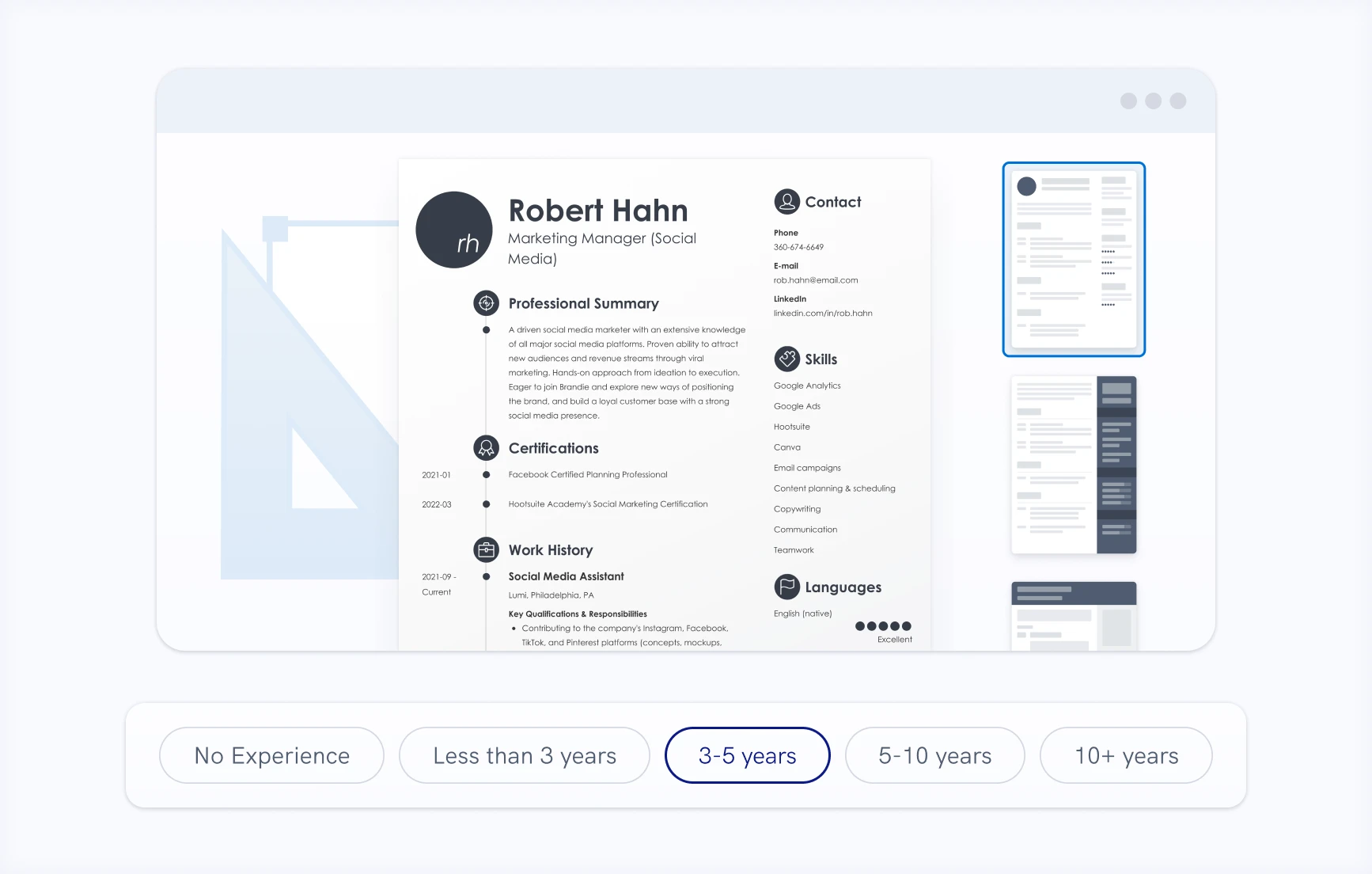
Ready-Made Content
Our ready-made CV content helps you create a polished document in minutes. Professionally written and role-specific, it lets you clearly highlight your professional skills, experience, and achievements, making your CV stand out to hiring managers.
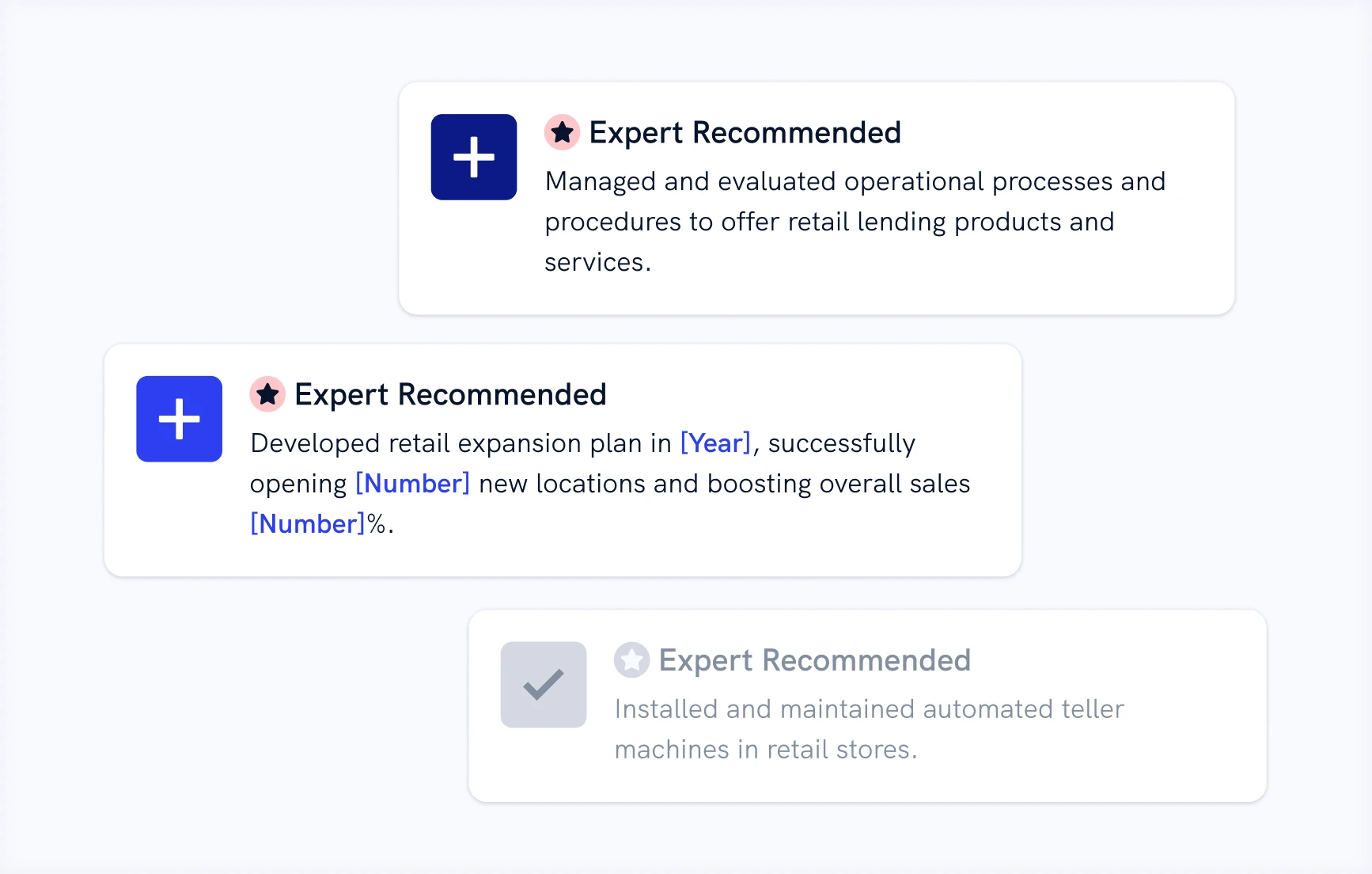
Content Optimization
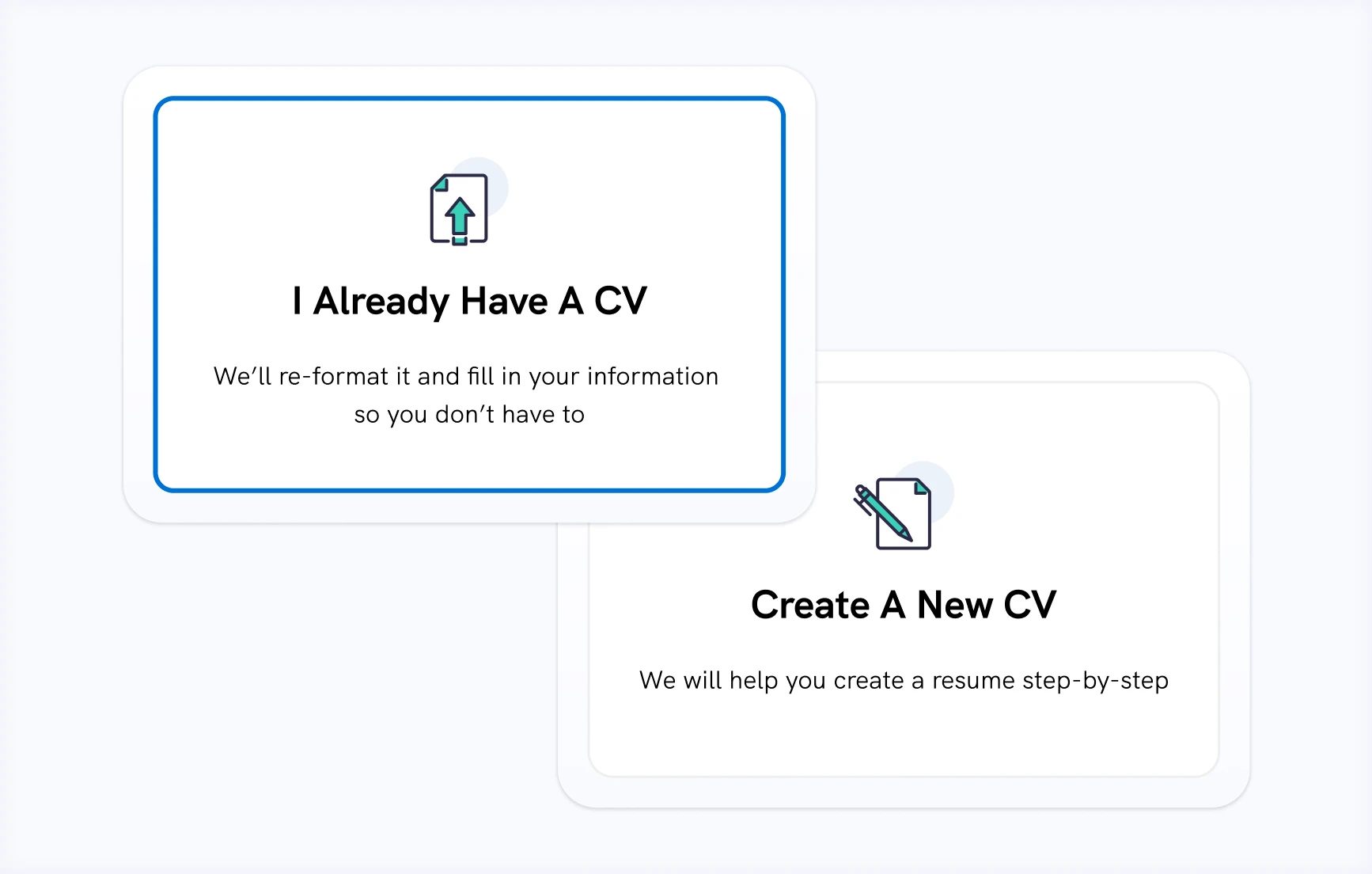
Start fresh or upload your existing CV, then update it with role-specific suggestions and ready-made bullet points describing your job’s duties. With an optimized CV, you can showcase your experience confidently and increase your chances of landing the job you want.
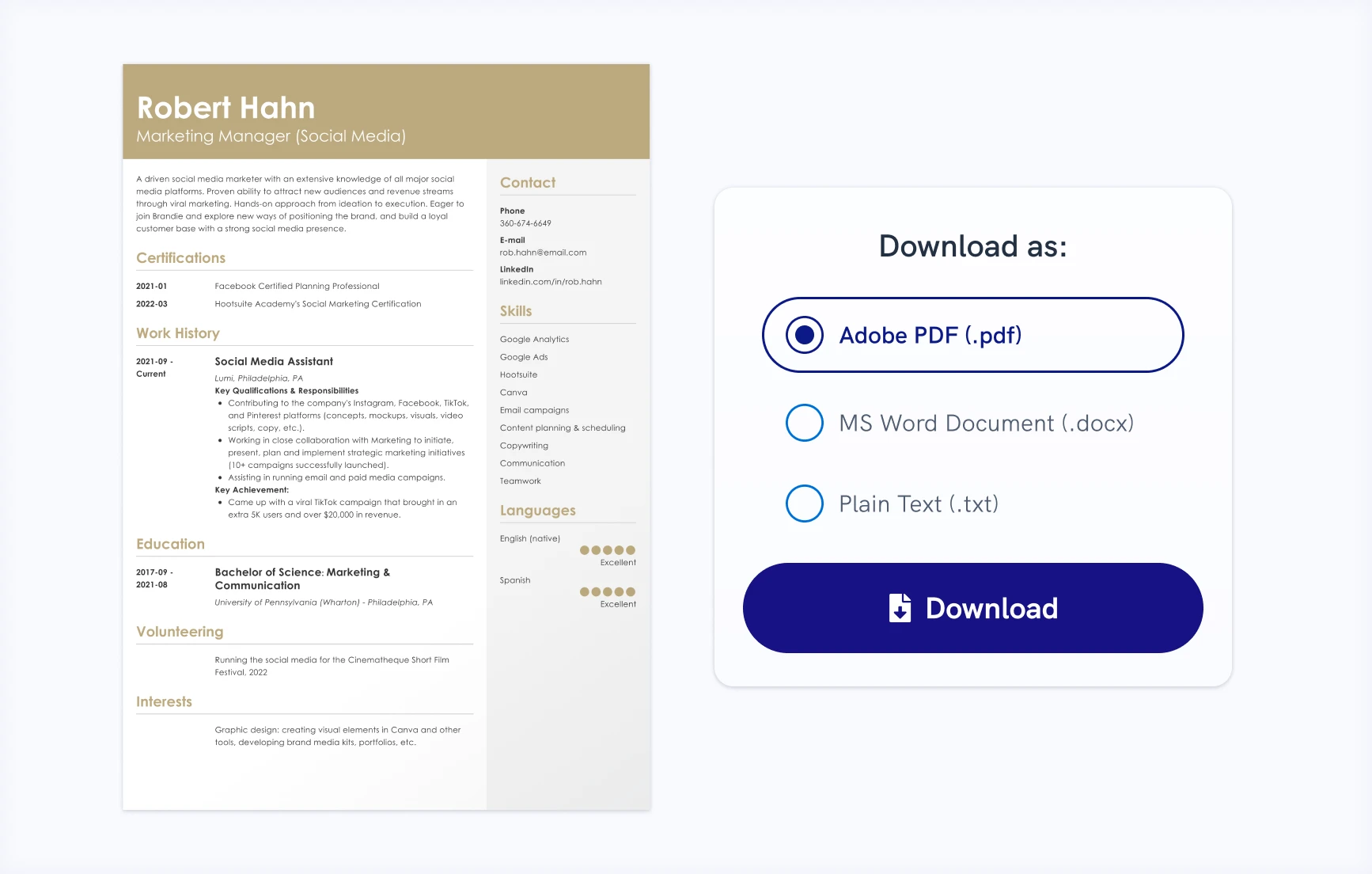
ATS-Friendly
Zety’s CV templates use clean layouts, clear headings, and readable formatting designed to make your skills and work experience easier for both applicant tracking systems (ATS) and hiring managers to scan.
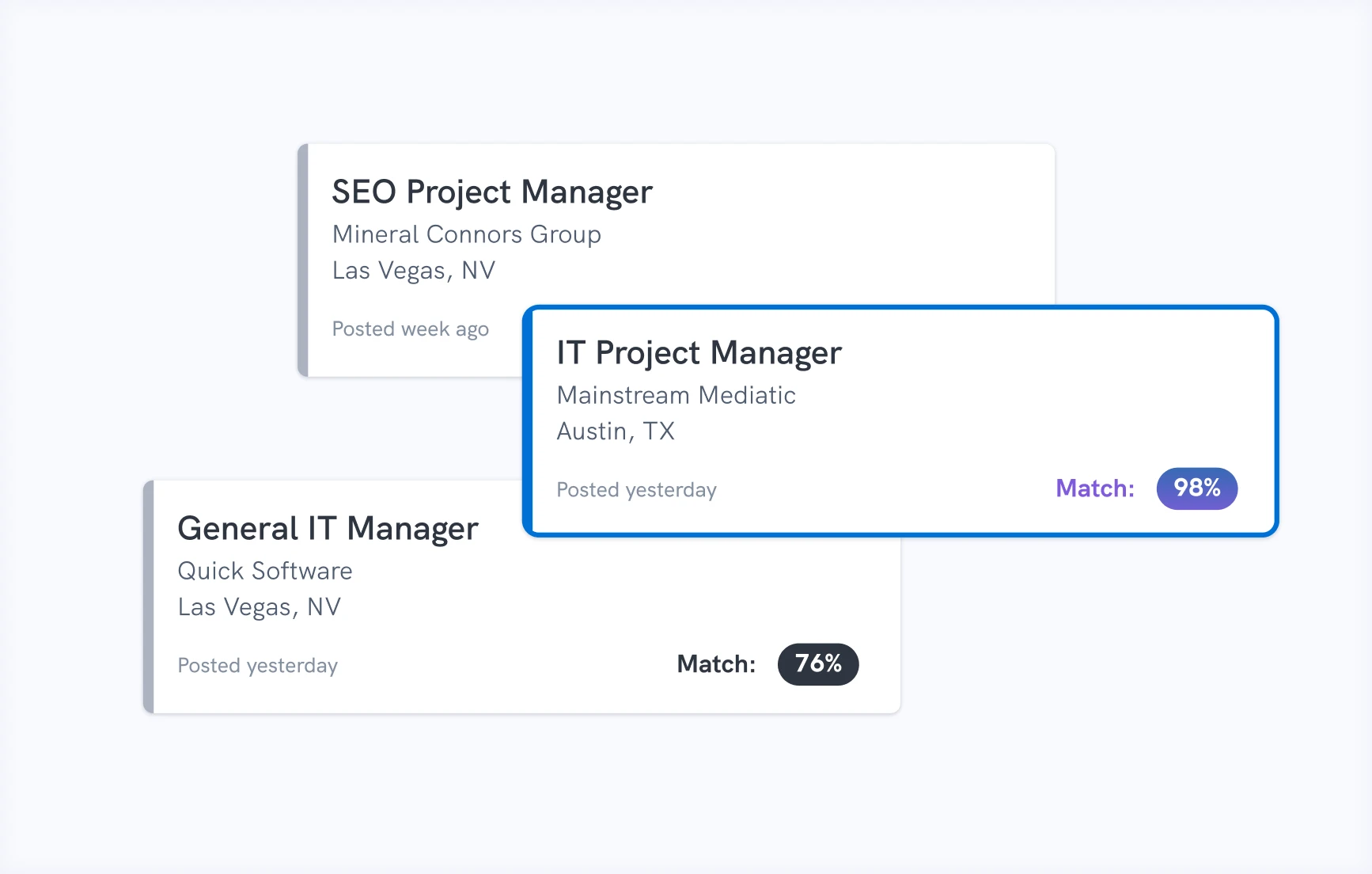
Instant Job Matches
Discover roles that truly fit your skills and experience with just a few clicks. Our instant job matches connect you to open positions tailored to your background, making it easier to focus on opportunities that matter to you.
Frequently Asked Questions
What is the best template for a CV?
The best CV template is one that clearly presents your experience, skills, and qualifications while matching your industry and career goals. A clean, professional layout with clear headings and consistent formatting is usually the most effective choice. Choose a template that prioritizes readability and gives you enough space to highlight your most relevant achievements.
Where can I get a CV template for free?
You can get a free CV template by using the copy-and-paste template on this page, or you can customize our premium templates and download them in TXT format. Both options provide a simple starting point you can tailor to your experience, skills, and target role.
What CV format do employers prefer?
Employers generally prefer a clear, professional CV format that makes your experience, skills, and qualifications easy to find. For most candidates, a reverse-chronological format is the strongest choice because it highlights recent experience and career progression. Choose a clean layout with clear headings, consistent formatting, and relevant information tailored to the job.
What is the most modern CV format?
The most modern CV format combines a clean, streamlined design with concise, achievement-focused content. A well-structured layout, clear section headings, and readable fonts can create a contemporary look without sacrificing professionalism. Modern CVs should also prioritize relevant skills and accomplishments while avoiding excessive graphics, decorative elements, or outdated formatting.
Is a CV best in PDF or Word?
A PDF is usually the best format for a CV because it preserves your layout, fonts, and formatting across devices. Word may be preferable when an employer specifically requests a DOCX file or uses an application system that requires it. Always follow the employer’s instructions and submit your CV in the requested format.
What should a CV include?
A CV should include your contact information, a professional profile or summary, work experience, education, and relevant skills. Depending on your experience and the role, you may also include certifications, professional memberships, publications, awards, languages, or other relevant sections. The exact requirements can vary by country and industry, so it’s important to write a tailored CV that aligns with the position and local expectations.
How far back should a CV go?
For a job-focused CV, 10–15 years of relevant experience is a common guideline, but experienced professionals may include more if earlier roles demonstrate valuable expertise or career progression. Focus on the positions most relevant to your target role, and avoid adding older experience simply to make your CV longer.
What is the most common CV mistake?
The most common CV mistake is failing to tailor your CV to the job you’re applying for. A generic CV can overlook the skills, experience, and keywords an employer is looking for. Review the job description carefully, prioritize your most relevant qualifications, and use specific achievements to show how you’ve made an impact in previous roles.
Last updated:
CV Templates for 2026
Transform Your Career Today & Join Thousands of Satisfied Users
*The professionals using our tools have previously been employed by these organizations.